Search a title or topic

Over 20 million podcasts, powered by 

Player FM logo
Artwork

Content provided by Karen Hilyard, Ph.D. and Karen Hilyard. All podcast content including episodes, graphics, and podcast descriptions are uploaded and provided directly by Karen Hilyard, Ph.D. and Karen Hilyard or their podcast platform partner. If you believe someone is using your copyrighted work without your permission, you can follow the process outlined here https://podcastplayer.com/legal.
Player FM - Podcast App
Go offline with the Player FM app!

Three Frameworks for Root Cause Analysis | Ep #21

17:54
 
Share
 

Manage episode 352867406 series 3375214
Content provided by Karen Hilyard, Ph.D. and Karen Hilyard. All podcast content including episodes, graphics, and podcast descriptions are uploaded and provided directly by Karen Hilyard, Ph.D. and Karen Hilyard or their podcast platform partner. If you believe someone is using your copyrighted work without your permission, you can follow the process outlined here https://podcastplayer.com/legal.

Getting to the root cause of health disparities is essential because campaigns and interventions to change individual behavior will not be effective if the real problem requires a change in policies, systems, or the environment (or surrounding conditions) in which people live, work, and play. Root cause solutions are also more sustainable, since they usually result in a longer lasting solution than surface solutions that are only a temporary fix.
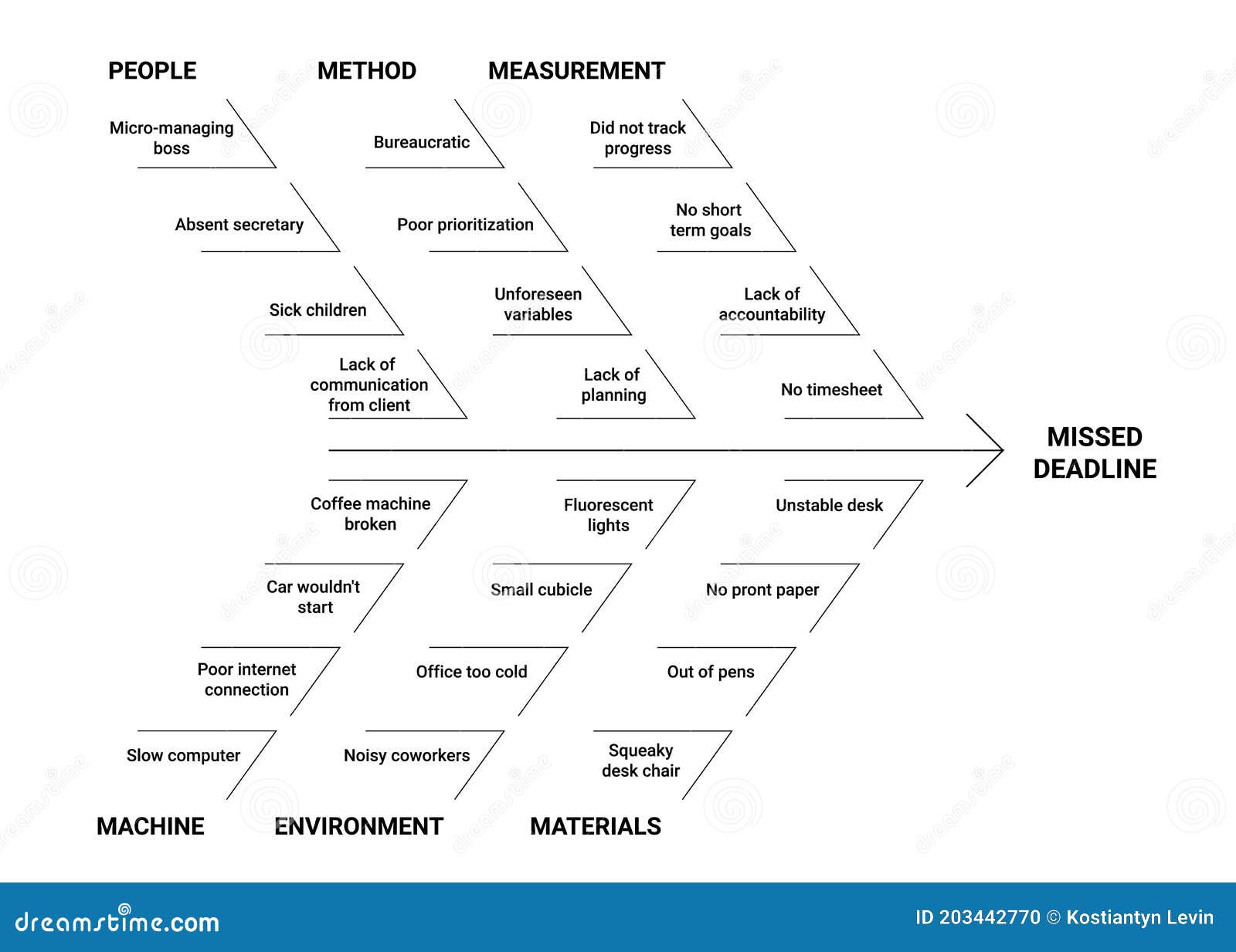
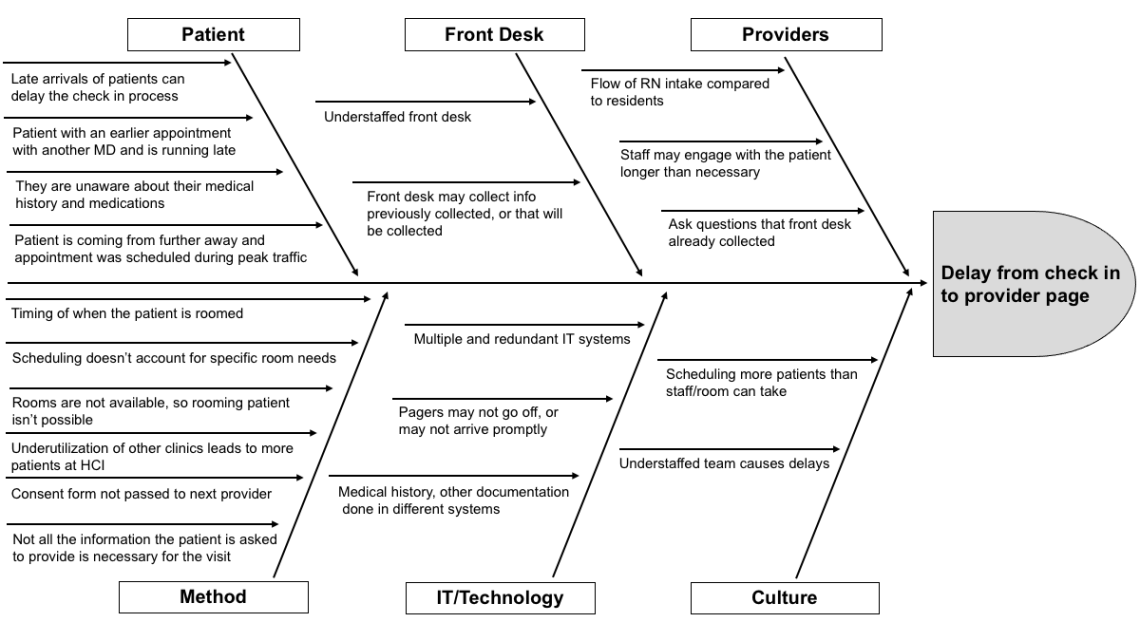
The key to framing the right problem and being able to pursue the right solution is using root cause analysis (RCA) to get to the bottom of the problem. In today’s episode (3rd in our series on social determinants of health) we introduce three essential root cause analysis frameworks that should be part of your toolkit: the groundwater approach, the Ishikawa or fishbone diagram, and the 5 Why’s.
Starting with root cause analysis can help you uncover the reasons for poor health outcomes, so you can design campaigns and interventions that will address the real problem and get better long-term results.

Resources:

Find out more about the Groundwater Approach:
https://www.groundwaterinstitute.com/
https://racialequityinstitute.org/groundwater-approach/

The basic fishbone diagram: https://media.noria.com/sites/Uploads/2020/4/25/c319983b-b8ed-4d2e-8130-38962d1074b6_Fishbone_Diagram_680x357_extra_large.jpeg

Several examples of fishbone diagrams, filled in with causes:

More about the 5 Why’s:
https://en.wikipedia.org/wiki/Five_whys
Please click the button to subscribe so you don't miss any episodes and leave a review if your favorite podcast app has that ability. Thank you!
For more information, visit the Health Comm Central website at: http://www.HealthCommCentral.com
© 2022 - 2023 Karen Hilyard, Ph.D.

Connect with me on:
LinkedIn: https://www.linkedin.com/company/health-comm-central/
Twitter: @HealthCommCtrl
Instagram: @health.comm.central

  continue reading

50 episodes

Artwork
iconShare
 
Manage episode 352867406 series 3375214
Content provided by Karen Hilyard, Ph.D. and Karen Hilyard. All podcast content including episodes, graphics, and podcast descriptions are uploaded and provided directly by Karen Hilyard, Ph.D. and Karen Hilyard or their podcast platform partner. If you believe someone is using your copyrighted work without your permission, you can follow the process outlined here https://podcastplayer.com/legal.

Getting to the root cause of health disparities is essential because campaigns and interventions to change individual behavior will not be effective if the real problem requires a change in policies, systems, or the environment (or surrounding conditions) in which people live, work, and play. Root cause solutions are also more sustainable, since they usually result in a longer lasting solution than surface solutions that are only a temporary fix.
The key to framing the right problem and being able to pursue the right solution is using root cause analysis (RCA) to get to the bottom of the problem. In today’s episode (3rd in our series on social determinants of health) we introduce three essential root cause analysis frameworks that should be part of your toolkit: the groundwater approach, the Ishikawa or fishbone diagram, and the 5 Why’s.
Starting with root cause analysis can help you uncover the reasons for poor health outcomes, so you can design campaigns and interventions that will address the real problem and get better long-term results.

Resources:

Find out more about the Groundwater Approach:
https://www.groundwaterinstitute.com/
https://racialequityinstitute.org/groundwater-approach/

The basic fishbone diagram: https://media.noria.com/sites/Uploads/2020/4/25/c319983b-b8ed-4d2e-8130-38962d1074b6_Fishbone_Diagram_680x357_extra_large.jpeg

Several examples of fishbone diagrams, filled in with causes:

More about the 5 Why’s:
https://en.wikipedia.org/wiki/Five_whys
Please click the button to subscribe so you don't miss any episodes and leave a review if your favorite podcast app has that ability. Thank you!
For more information, visit the Health Comm Central website at: http://www.HealthCommCentral.com
© 2022 - 2023 Karen Hilyard, Ph.D.

Connect with me on:
LinkedIn: https://www.linkedin.com/company/health-comm-central/
Twitter: @HealthCommCtrl
Instagram: @health.comm.central

  continue reading

50 episodes

All episodes

×
 
Loading …

Welcome to Player FM!

Player FM is scanning the web for high-quality podcasts for you to enjoy right now. It's the best podcast app and works on Android, iPhone, and the web. Signup to sync subscriptions across devices.


Copyright 2025 | Privacy Policy | Terms of Service | | Copyright
Listen to this show while you explore
Play